
Unlocking Better Sleep
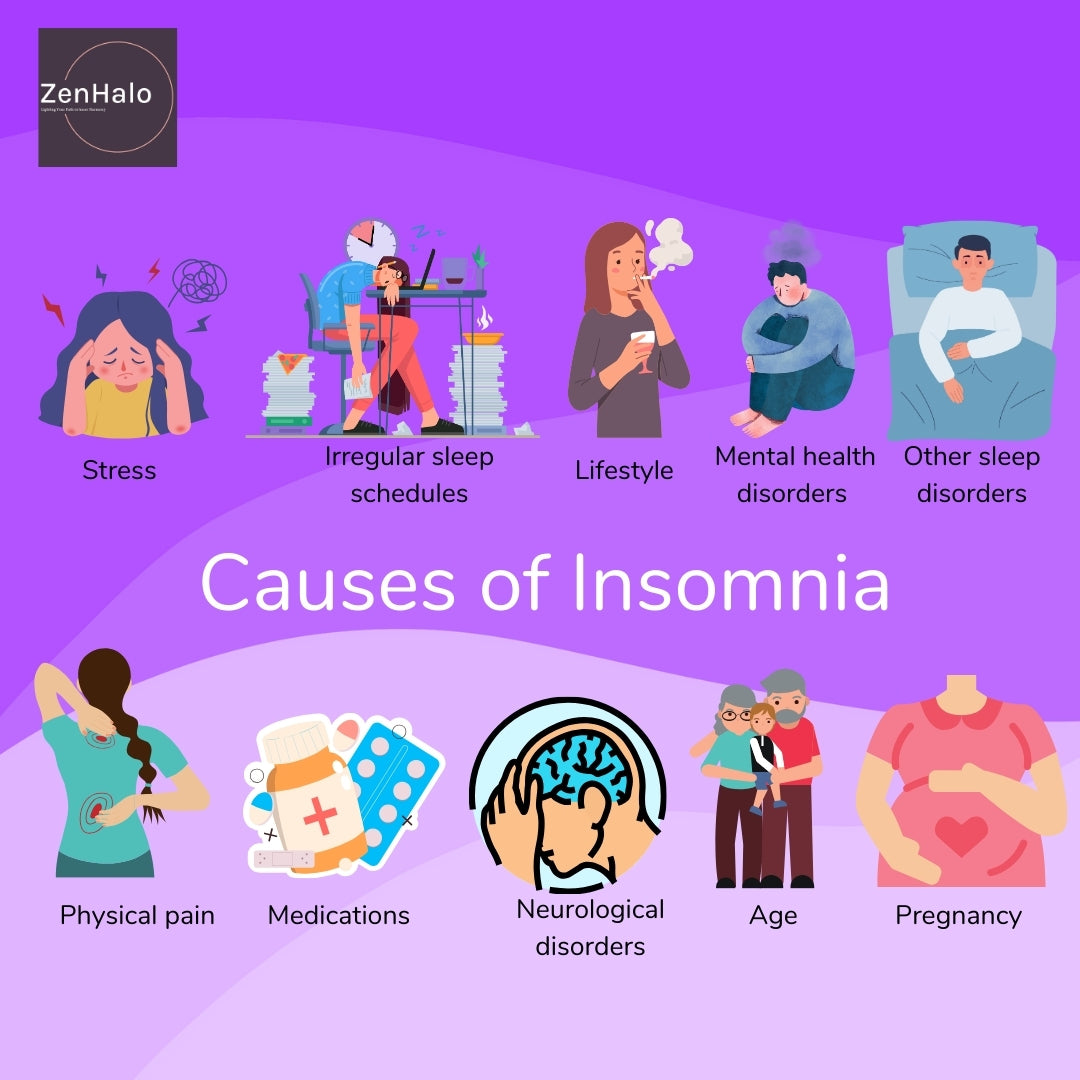
What causes Insomnia?
Insomnia is a sleep disorder that affects approximately 35% of adults. People with insomnia have trouble falling, staying, or getting enough sleep. This can result in exhaustion during the day, an increased risk of car accidents, and overall health problems due to insufficient rest.
Insomnia can be caused by various factors such as stress, irregular sleep patterns, bad sleep habits, mental health issues, physical illnesses or pain, certain medications, neurological problems, and specific sleep disorders. Often, it is a combination of these factors that trigger or worsen insomnia.
It's worth noting that not everyone experiences insomnia in the same way. The effects of insomnia can vary significantly based on the underlying cause, severity, and presence of other health issues.

The Science of Sleep
What is Sleep?
Sleep is a natural response in our body connected to how our brain works. It occurs when certain parts of our brain slow down, especially in the outer layer called the cerebral cortex. When this slowing down is happening more, the more you're in a state of sleep.
Our sleep journey involves distinct stages, with the two main categories as follows:
- REM (Rapid Eye Movement)
REM sleep, with its vivid dreams. During REM sleep, your eyes move rapidly, your brain is more active.
REM sleep is crucial for dealing with emotions, solidifying memories, and learning.
- NREM (Non-Rapid Eye Movement).
NREM stages range from light to deep sleep. It's a vital phase for the body's repair, muscle growth, and strengthening of the immune system. During this stage, brain waves slow down significantly, making it hard to wake you up.
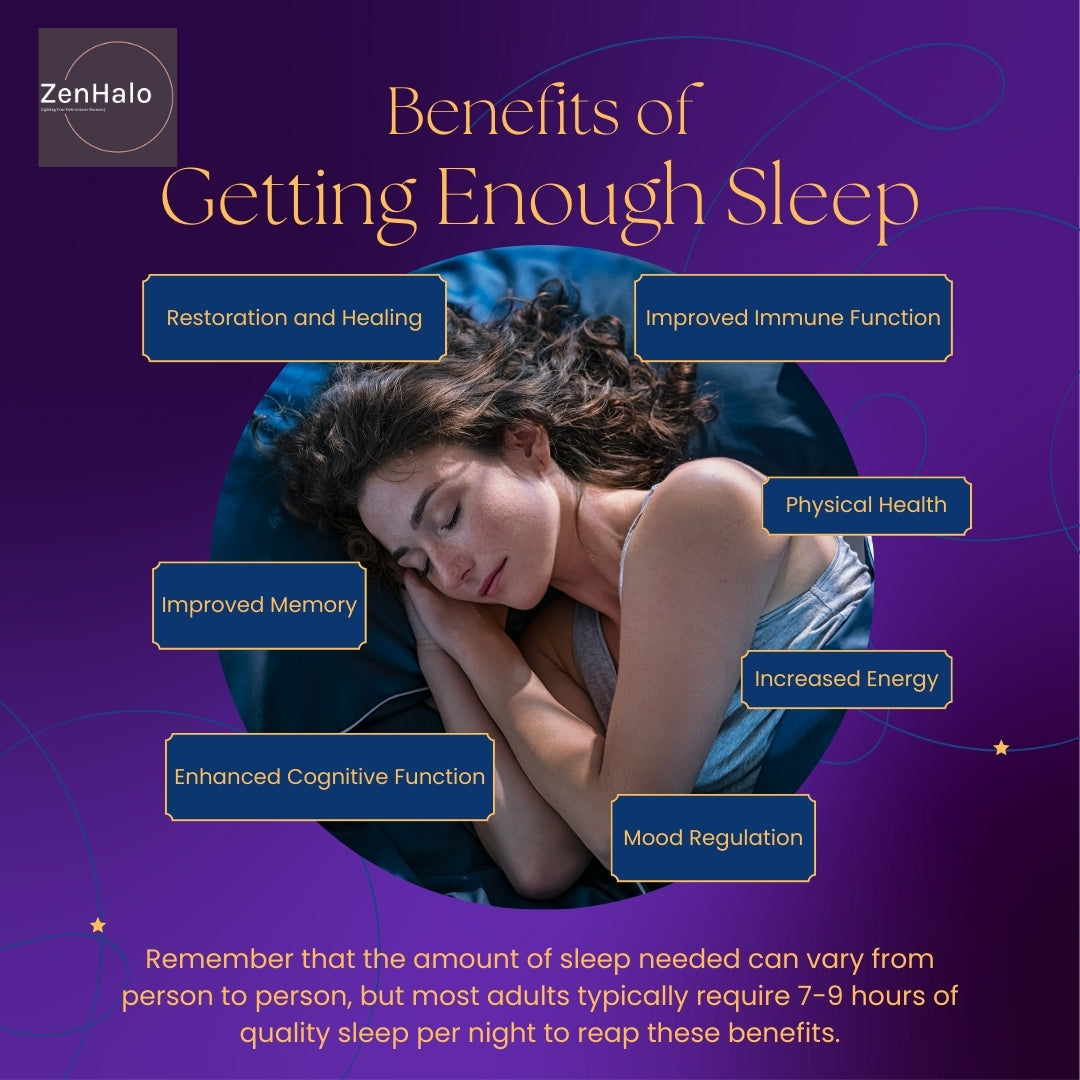
The importance of Sleep
Have you ever wondered why we need sleep?
Sleep is when the body repairs tissues, builds bone and muscle and strengthens the immune system. Growth hormone, essential for development and repair, is mainly released during deep sleep.
- Cognitive Functions
Sleep is critical in memory consolidation, learning, and problem-solving skills. During Rapid Eye Movement (REM
sleep), the brain organises and stores memories, making sense of the day's experiences.
- Emotional Regulation
Lack of sleep can make us more susceptible to stress, anxiety, and mood swings. REM sleep helps process emotions, promoting mental health.

Elevate your nights with CES
Enhanced Relaxation and Improved Sleep Quality with ZenHalo CES Technology!
Cranial Electrotherapy Stimulation (CES), is a cutting edge technology designed to promote relaxation and enhance sleep quality. By delivering low-level electrical pulses (beta waves) near cerebral cortex of the brain. By regulating these beta waves, CES technology aims to induce a state of calmness and relaxation, making it potentially beneficial for improving sleep.
This non-invasive and drug free approach has shown promising results in alleviating symptoms of anxiety, insomnia, and other sleep related issues. CES technology is often utilized through compact devices that are easy to use at home, making it accessible for individuals seeking a natural solution to improve their sleep.
Say goodbye to restless nights and welcome a renewed sense of well-being with ZenHalo CES technology!
Blog posts
View all-

Best Nose Strips for Sleep: Why MUTEstripz Is t...
You've done everything right, you've got a good mattress, you've cut back on caffeine, you're in bed by 10 pm. But you still wake up groggy, congested, or with a...
Best Nose Strips for Sleep: Why MUTEstripz Is t...
You've done everything right, you've got a good mattress, you've cut back on caffeine, you're in bed by 10 pm. But you still wake up groggy, congested, or with a...
-

Why Your Legs Won't Let You Sleep
If you’ve ever climbed into bed feeling tired, only to be hit with an uncomfortable urge to move your legs, you’re not imagining it. For some people, that restless, hard-to-describe...
Why Your Legs Won't Let You Sleep
If you’ve ever climbed into bed feeling tired, only to be hit with an uncomfortable urge to move your legs, you’re not imagining it. For some people, that restless, hard-to-describe...
-

When Snoring Could Be Sleep Apnea
Snoring is common, and for many people it is occasional and harmless. But not all snoring is the same. Loud, regular snoring can sometimes be a sign that breathing is...
When Snoring Could Be Sleep Apnea
Snoring is common, and for many people it is occasional and harmless. But not all snoring is the same. Loud, regular snoring can sometimes be a sign that breathing is...
-

Why Your Mind Won’t Switch Off at Night
You finally get into bed, the house is quiet, and your body feels tired, but your mind suddenly speeds up. You start replaying conversations, thinking about tomorrow’s to-do list, worrying...
Why Your Mind Won’t Switch Off at Night
You finally get into bed, the house is quiet, and your body feels tired, but your mind suddenly speeds up. You start replaying conversations, thinking about tomorrow’s to-do list, worrying...


